

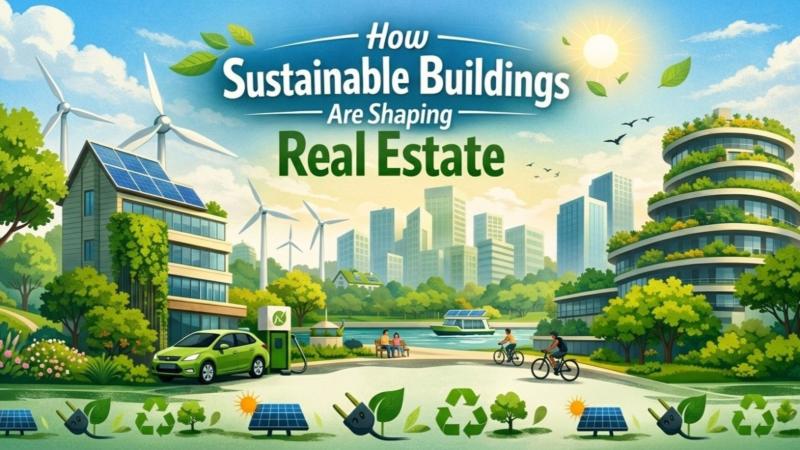
Sustainability is no longer just a buzzword—it has become a key factor shaping the modern real estate industry. Today, homebuyers and investors are not only looking for comfort, location, and amenities but also for eco-friendly living spaces. This shift is transforming how developers design and build residential property. Sustainable buildings are redefining the concept of homes, making them smarter, greener, and more energy-efficient.
In cities across India like Bangalore, Hyderabad, and Chennai, sustainable residential projects are growing rapidly as people become more aware of their environmental and financial impact. Green buildings are now not just a choice but a necessity for those who want a modern lifestyle while being responsible towards the environment.
Understanding Sustainable Buildings
Sustainable buildings are designed to reduce their environmental footprint while improving the quality of life for the residents. These buildings consume less energy and water, produce minimal waste, and focus on maximizing efficiency.
In simple words, a sustainable residential property is one that uses resources wisely, promotes health and comfort, and supports a greener environment. This includes energy-efficient lighting and appliances, rainwater harvesting, eco-friendly construction materials, and smart designs that allow natural ventilation and sunlight.
Why Sustainability Matters in Real Estate
Sustainability is becoming an essential consideration in real estate for multiple reasons. The first is the increasing awareness of environmental issues and climate change. People now understand that their homes can either contribute to or help reduce environmental harm.
Secondly, sustainable buildings help save money in the long run. Energy-efficient appliances, solar power, and water-saving systems reduce utility bills, making a home more economical to maintain.
Thirdly, government initiatives and incentives for green construction are pushing developers to adopt eco-friendly practices. These policies encourage the creation of energy-efficient residential property, helping buyers and investors make smarter choices.
Finally, sustainability adds value. Homes that are energy-efficient and environmentally responsible often attract higher demand, giving both homeowners and investors a financial advantage.
Key Features of Sustainable Residential Property
Sustainable residential property comes with specific features that make it eco-friendly and cost-effective:
Energy Efficiency: Using LED lights, solar panels, and energy-saving appliances reduces electricity consumption and lowers bills.
Water Conservation: Rainwater harvesting, low-flow taps, and water recycling systems ensure that water is used responsibly.
Natural Ventilation and Lighting: Strategic building layouts allow more sunlight and airflow, reducing the need for artificial lighting and air conditioning.
Eco-Friendly Materials: Sustainable construction materials such as recycled wood, low-VOC paints, and energy-efficient glass help reduce environmental impact.
Waste Management: Modern buildings often include recycling facilities and waste segregation systems to minimize landfill waste.
These features not only reduce the ecological footprint of the building but also enhance the comfort, health, and well-being of the residents.
Benefits for Homebuyers and Investors
Sustainable buildings provide many advantages for both buyers and investors in real estate.
One of the most significant benefits is lower utility costs. Energy-efficient homes help save electricity and water expenses, which can be substantial over time.
Another major benefit is a healthier living environment. Sustainable residential property often includes better indoor air quality, non-toxic materials, and natural ventilation, all of which improve the overall well-being of the occupants.
Sustainable homes also have a higher resale value. Buyers are increasingly looking for eco-friendly properties, and this growing demand ensures that green homes maintain their value better than traditional ones.
Additionally, these properties promote a better lifestyle. Living in a green, clean, and well-ventilated home contributes to physical and mental health while also encouraging residents to adopt eco-conscious habits.
Finally, sustainable buildings provide long-term savings. While the initial cost may be slightly higher than conventional homes, lower maintenance, energy bills, and water usage make them economically viable over time.
Impact on Property Value
Sustainability is changing the way people perceive property value in real estate. Eco-friendly homes often command higher prices because buyers are willing to pay more for features that reduce their carbon footprint and utility costs.
A sustainable residential property is seen as a smart investment. Energy-efficient designs, modern amenities, and environmental responsibility make these homes more desirable in the market.
As more people recognize the benefits of sustainable living, the demand for green buildings increases. This trend leads to faster sales and better returns for both developers and homeowners.
Role of Government and Developers
Governments play an important role in promoting sustainable real estate. Policies and incentives such as tax benefits, faster approvals, and subsidies for green buildings encourage developers to adopt sustainable practices.
Developers, in turn, are responding by creating residential projects that are energy-efficient, eco-friendly, and future-ready. They are integrating smart technologies, solar energy, rainwater harvesting, and sustainable construction materials into their designs.
These combined efforts are gradually changing the landscape of real estate, making sustainable homes more accessible and mainstream.
The Future of Sustainable Real Estate in India
The future of sustainable buildings in India looks promising. Rapid urbanization, rising environmental awareness, and growing demand for energy-efficient homes are driving this trend.
Cities like Bangalore, Hyderabad, Chennai, and Mumbai are seeing a surge in sustainable residential projects. Young professionals and IT workers, in particular, prefer homes that offer energy savings, green spaces, and modern amenities.
Experts predict that the next decade will see most new residential property projects following green building standards. Technology will continue to play a key role, with smart homes, solar energy systems, and water-efficient designs becoming standard features.
Sustainable real estate is no longer just a niche segment; it is fast becoming the benchmark for modern living in urban India.
Conclusion
Sustainable buildings are shaping the future of real estate by redefining what people look for in a home. From lower utility bills and healthier living environments to higher resale value and long-term savings, green homes offer a comprehensive solution for modern living.
For homebuyers, choosing a sustainable residential property means investing in comfort, health, and cost efficiency. For investors, it means securing assets that are future-ready and in high demand.
The rise of sustainable buildings is a clear indication that the real estate industry is moving toward smarter, eco-conscious, and responsible development. By embracing sustainability, developers and homeowners alike are contributing to a better environment while enhancing the value and quality of residential property.
Tags
RealHubb Team
Real Estate Expert · RealHubb Ventures